
Why Drawdown Matters: The Psychological and Financial Edge of Discipline
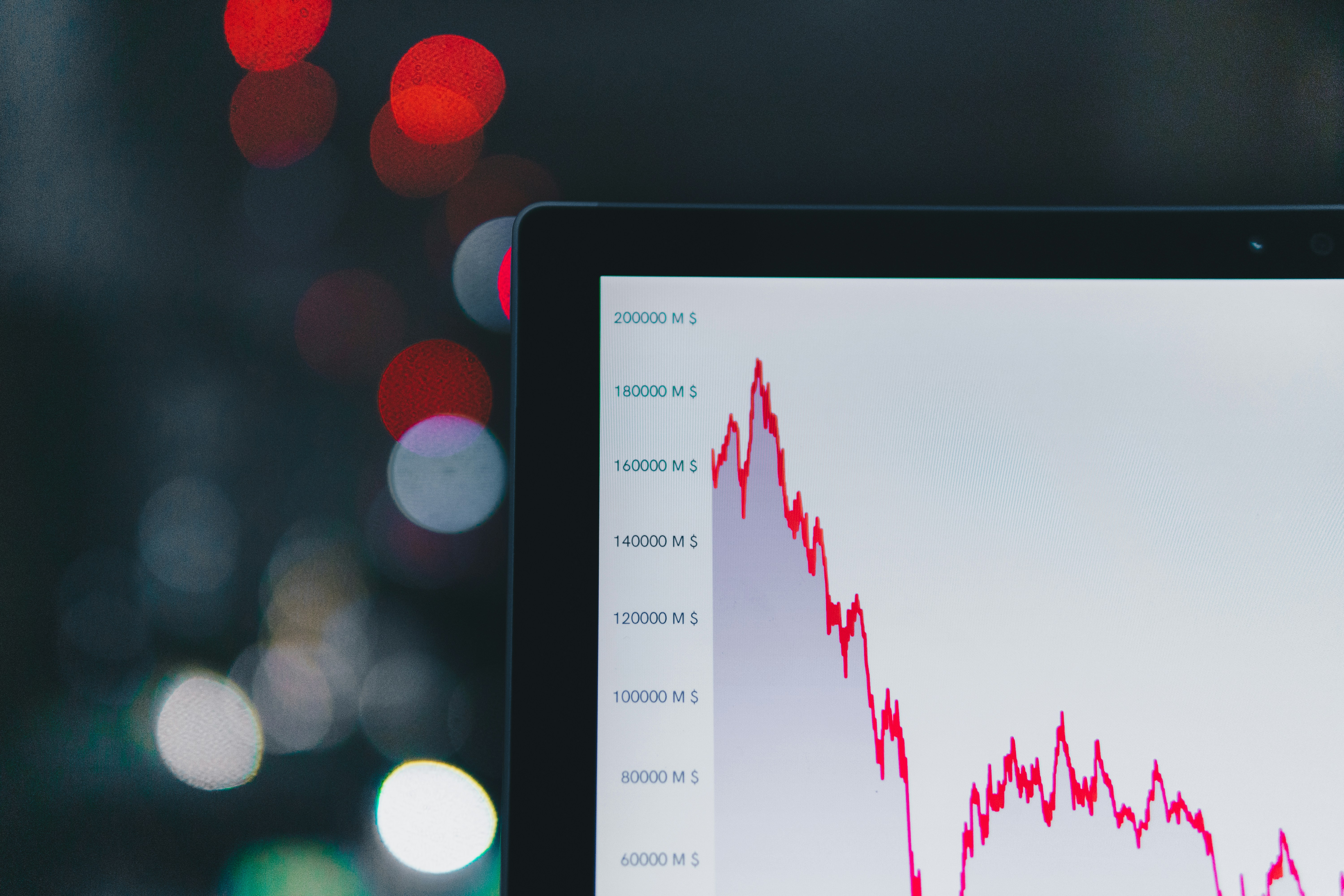
In the world of investing, everyone loves to talk about "alpha", the excess return above a benchmark like the S&P 500. But at Applied Alpha Research, we believe that focusing solely on the peaks can ignore the most critical factor in long-term success: Drawdown.
Understanding drawdown isn't just about spreadsheets; it’s about understanding human nature and the math of recovery.
What is Drawdown?
Simply put, a drawdown is the peak-to-trough decline during a specific period for an investment or portfolio. It is usually quoted as the percentage between the highest value your account reached and its subsequent lowest point before a new high is attained.
If your $100,000 portfolio climbs to $150,000 and then drops to $75,000, you have experienced a 50% drawdown. Even if the market eventually recovers, that 50% drop is the "pain" you had to endure to stay in the game.
The 2008 Lesson: A Tale of Two Recessions
To understand why this matters, let’s look at the Global Financial Crisis of 2008.
From its peak in October 2007 to its bottom in March 2009, the S&P 500 lost approximately 55% of its value. For an investor holding a standard index fund, a $1,000,000 retirement nest egg became $450,000 in just 17 months.
Now, consider a systematic, rules-based strategy similar to the ones we build at Applied Alpha Research. By utilizing trend-following signals and moving to defensive assets (like cash or short-term Treasuries) when data thresholds are crossed, an investor might have limited that drawdown to 20%.
The Math of the Comeback:
-
The 50% Loser: Needs a 100% gain just to get back to even.
-
The 20% Loser: Needs only a 25% gain to reach a new all-time high.
While the "buy and hold" investor was still struggling to break even years later, the disciplined investor was already compounding new gains.
The Psychological Wall: The "Sleep at Night" Factor
While the math is compelling, the psychological impact is even more significant. Most investors claim they have a high risk tolerance when the market is going up. But when you see half of your life savings vanish and talking heads are screaming about dooms day, logic often goes out the window.
A 50% drop triggers a "fight or flight" response. This is when most people abandon their plan, sell at the bottom, and miss the eventual recovery. A 20% drop, while uncomfortable, is much easier to stomach. It allows you to stay disciplined, follow the process, and—most importantly—sleep at night.
The Trade-Off: Why We Give Up Short-Term Gains
At Applied Alpha Research, our approach is built on systematic models and rules-based allocation. This means that sometimes, our signals will move you out of the market early.
You might see the S&P 500 continue to climb for another month while you are in a defensive posture. You might underperform the market during a late-stage bull run.
We accept this trade-off because we aren't trying to predict the exact top; we are trying to protect against the catastrophic bottom. We trade the "potential" for the final 5% of a rally for the "certainty" of a disciplined exit strategy.
Discipline Over Prediction
The goal of our research isn't to find a "crystal ball." It’s to provide a framework that removes emotional bias. By focusing on drawdown management, we ensure that when the next 2008 happens—and it will—you aren't just hoping for a recovery. You are positioned to survive it.
Investment success isn't just about how much you make when things go right; it’s about how much you keep when things go wrong. That is why drawdown matters.